
Life, Liberty, and the Pursuit of Happiness
American Muslim Stories Beyond Crisis
by Syed Yaqeen, Founder, American Muslim Experience
American Muslims are often visible in public conversation at the moments when our lives are being debated by others. We appear in headlines about elections, surveillance, war, hate crimes, school board disputes, and mosque opposition.
These stories matter. Many of them involve real harm, real advocacy, and real civil rights concerns. They deserve careful reporting and public attention.
But when crisis becomes the main frame, the public record becomes incomplete.
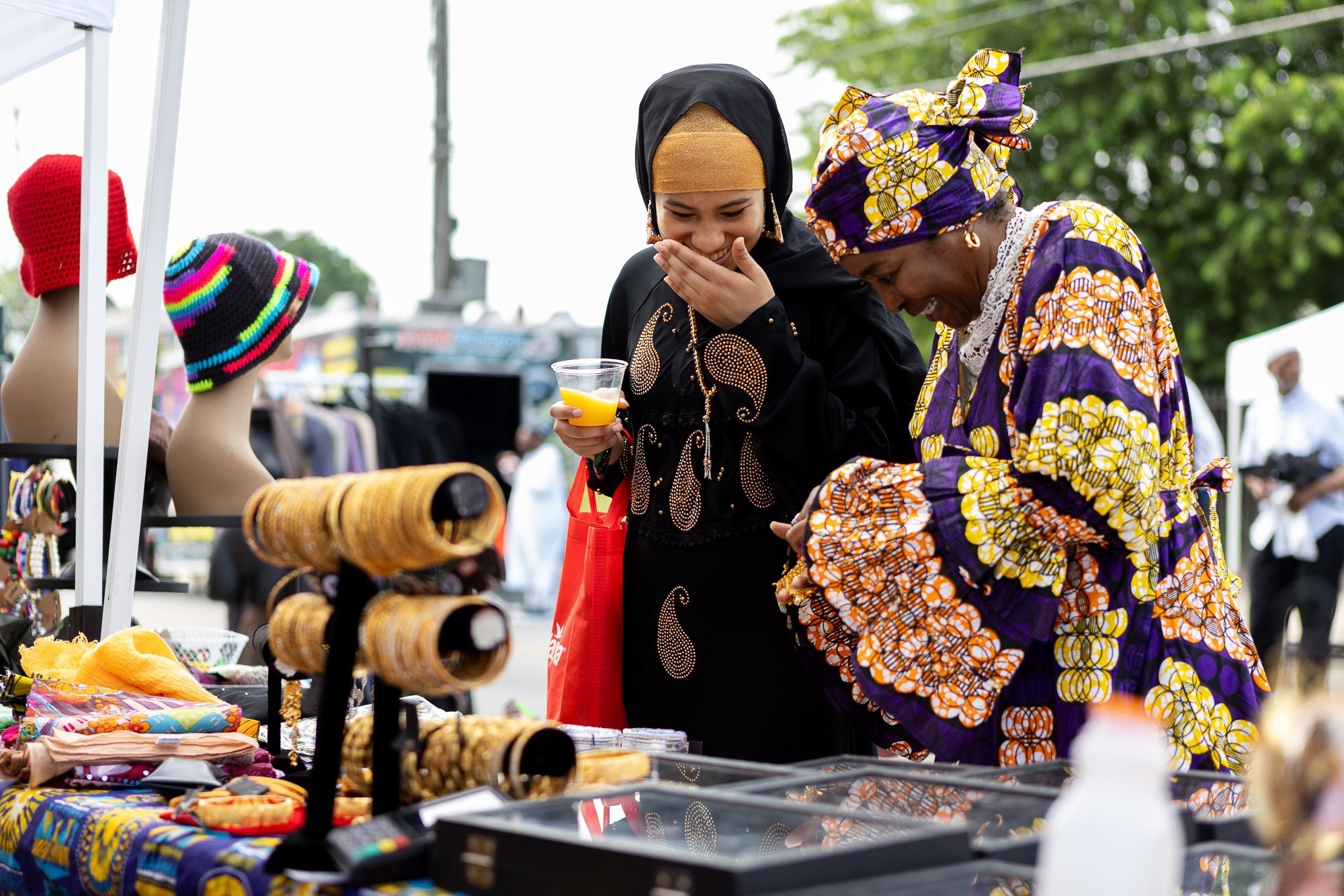
Our lives are built through ordinary acts that rarely become news. A mother drives across town to a school where her child may be the only Muslim in class. A student organizes classmates around a prayer space or halal food, while learning how quickly visibility can become risk. A shop owner keeps a small business open through economic pressure because the store has become a gathering place for elders, workers, and new immigrants. A convert learns how to belong in a community that is still learning how to receive them. A Black Muslim elder carries memories of institutions, movements, and neighborhoods that shaped American Islam long before many of us arrived.

The challenge is that many of them are never documented with the same seriousness given to conflict. They live in family phones, WhatsApp groups, Friday khutbah announcements, oral memory, and community conversations after prayer. They are passed from one person to another, sometimes beautifully, sometimes unevenly, often without a lasting public record. When those stories are not preserved, the result is more than a representation gap. It is a loss of memory. This is one reason community-centered storytelling matters. It gives people a way to recognize themselves in public without having to perform for suspicion or explain their humanity from the beginning. It allows communities to be seen through texture: work, faith, family, grief, humor, language, food, civic participation, hope, and responsibility.
It also helps wider audiences understand Muslims as neighbors and contributors, not abstractions.
The best storytelling does not flatten a community into inspiration. It also does not reduce people to pain. Muslim life in America contains both beauty and difficulty, and the constant negotiation of belonging. A stronger public narrative makes room for that complexity. For civil rights groups, educators, journalists, cultural institutions, and community organizations, storytelling is not secondary to the work. It shapes how the public understands the people, histories, and communities being discussed. When Muslims are portrayed as outsiders, threats, or permanent subjects of debate, discrimination becomes easier to justify. When the public sees the truth in Muslims as rooted human beings with histories, families, institutions, and civic commitments, the moral imagination expands.
Visual storytelling has a particular force in this work. A portrait asks the viewer to slow down. A photograph can hold dignity without overexplaining it. An interview can let a person speak in their own cadence. A photo essay can connect personal experience to public life without turning a subject into a symbol. Together, these forms can build a record that is accessible, emotionally honest, and useful for communities, educators, journalists, advocates, and future generations. The work also requires trust. Muslim communities have reason to be cautious about cameras, interviews, and public exposure. Many people know what it feels like to be misquoted, simplified, watched, or used as evidence for someone else’s argument. Responsible storytelling begins before the interview. It begins with relationship-building, clear communication, consent, cultural fluency, and respect for what a person chooses not to share. The goal is not simply to produce content. The goal is to build a body of work that people can return to, learn from, and trust.
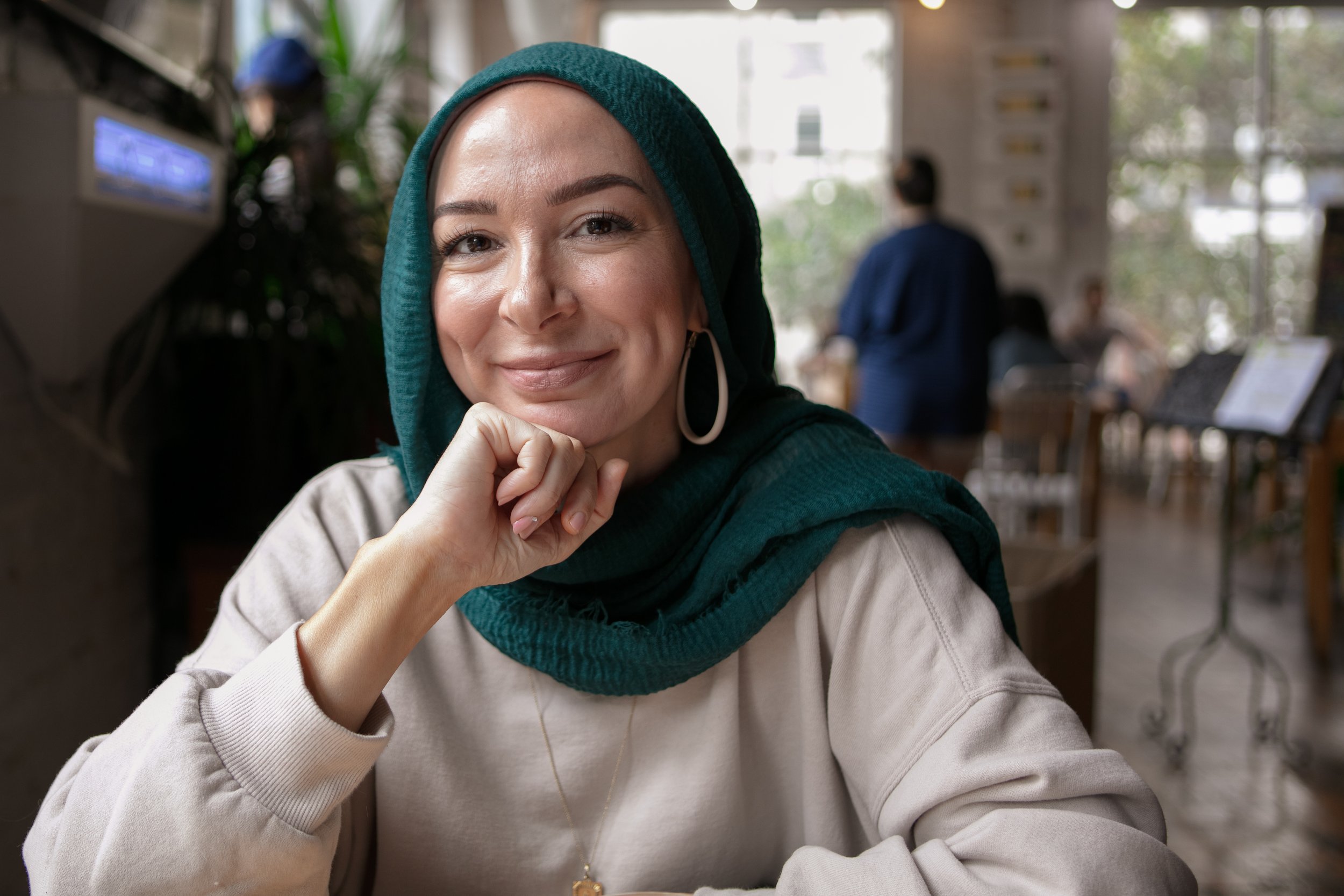
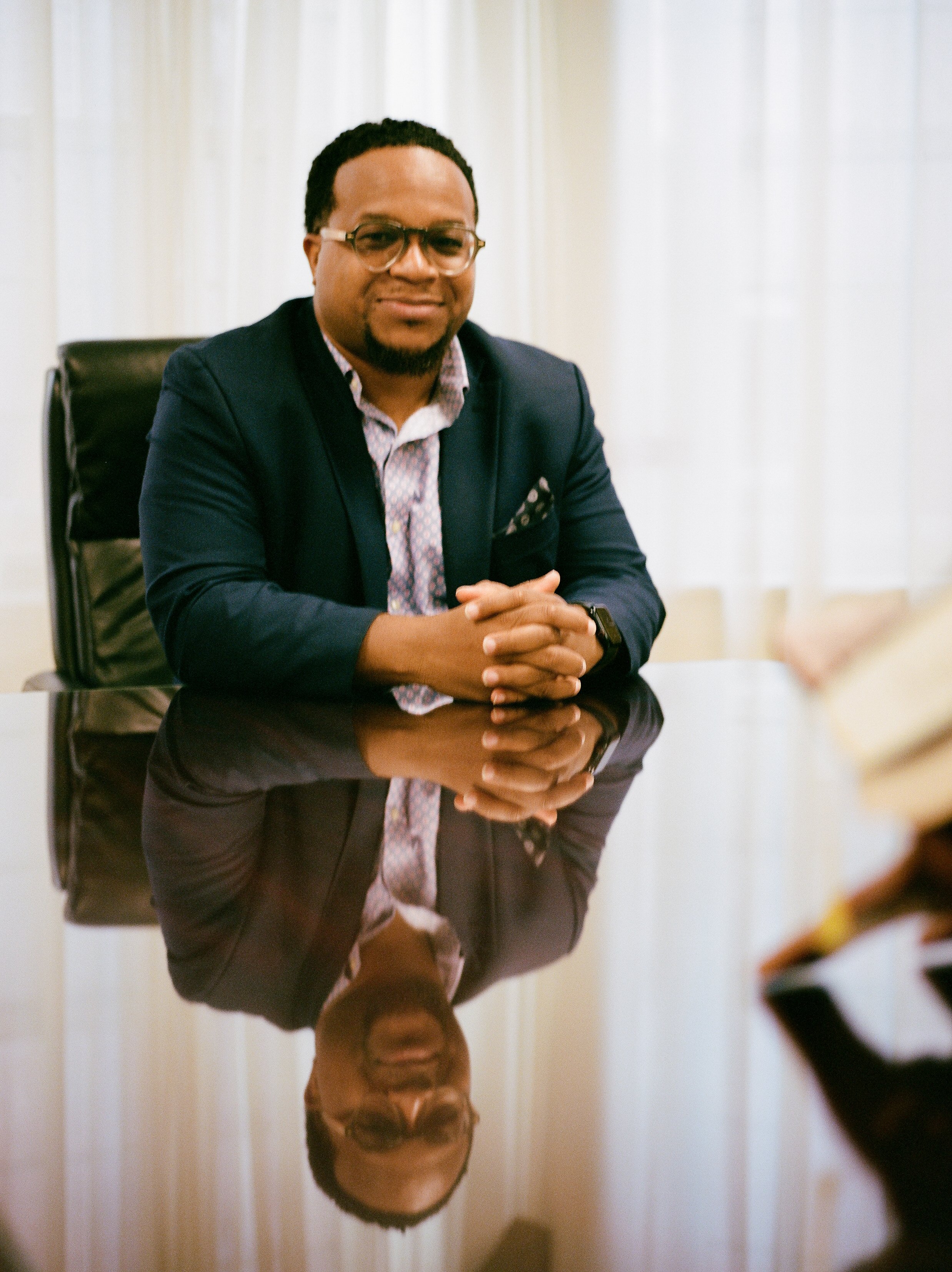
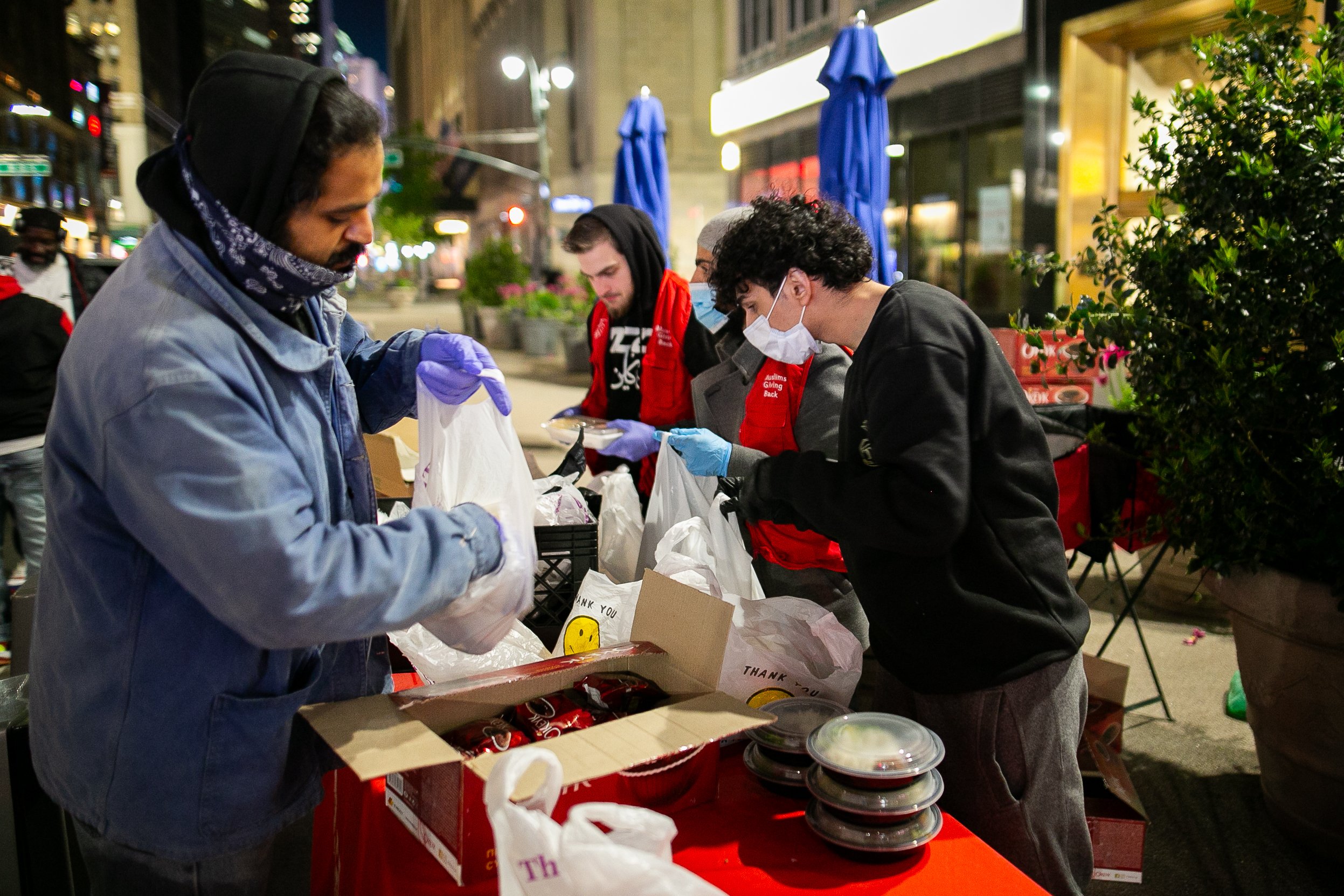
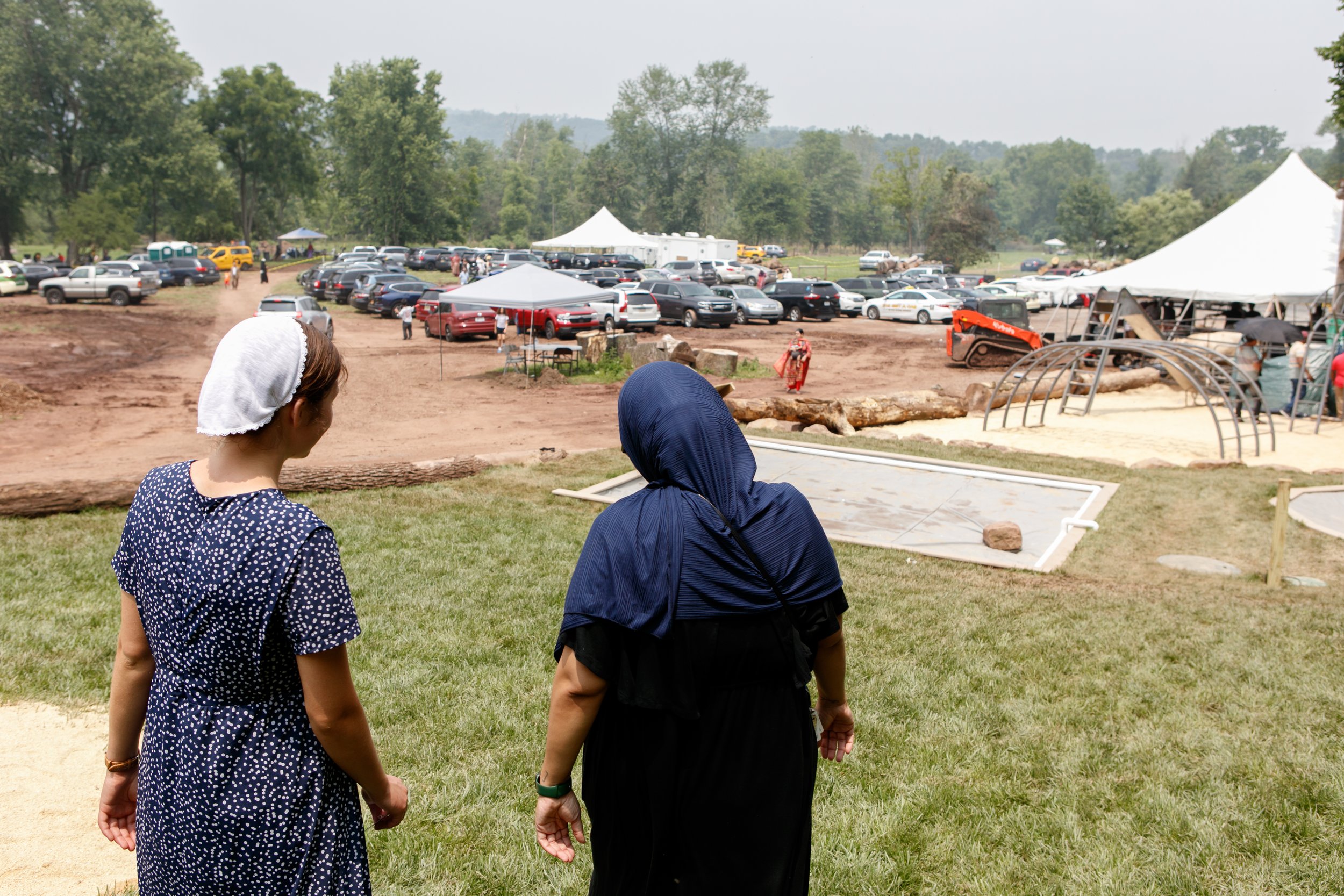
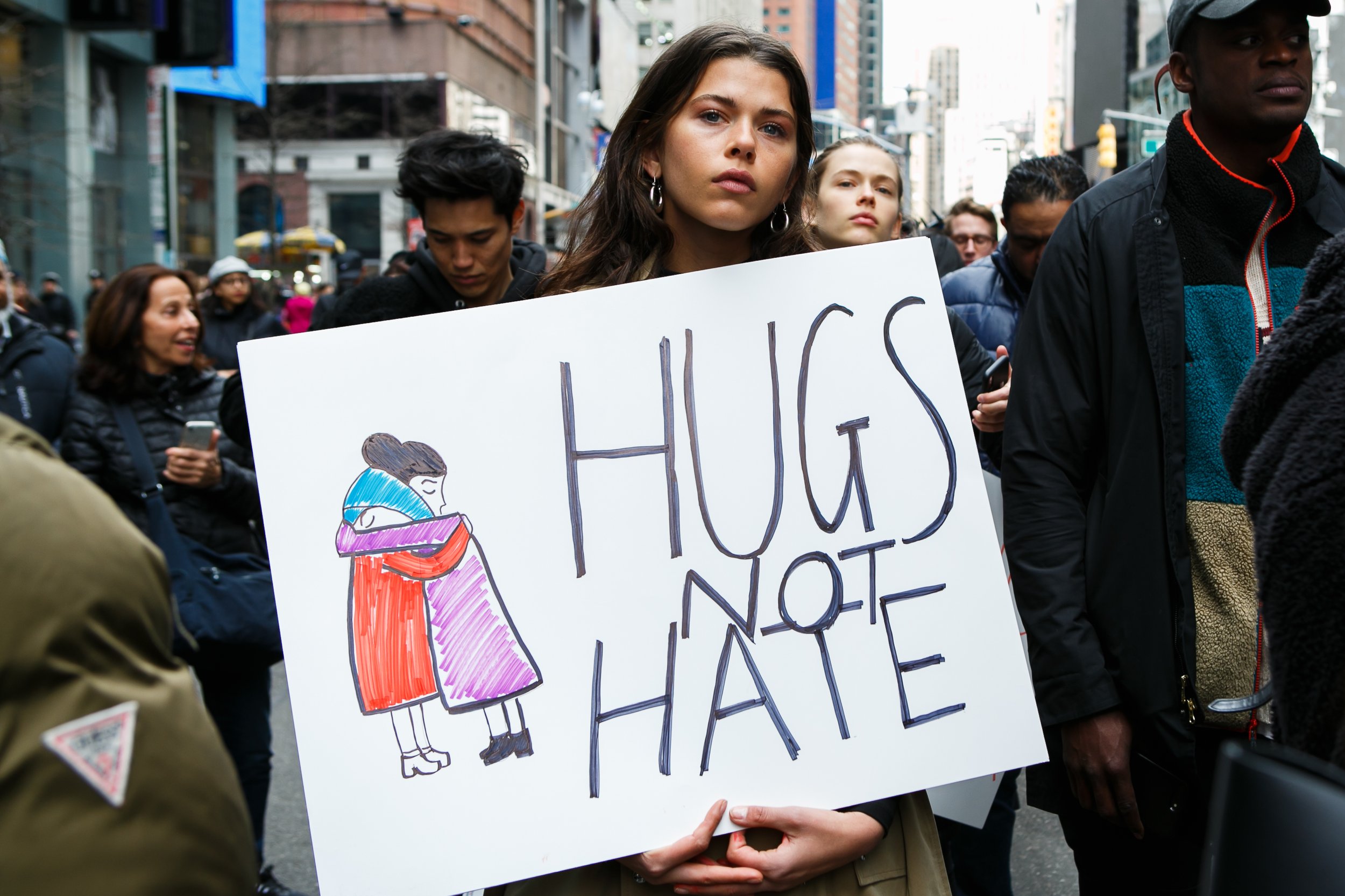
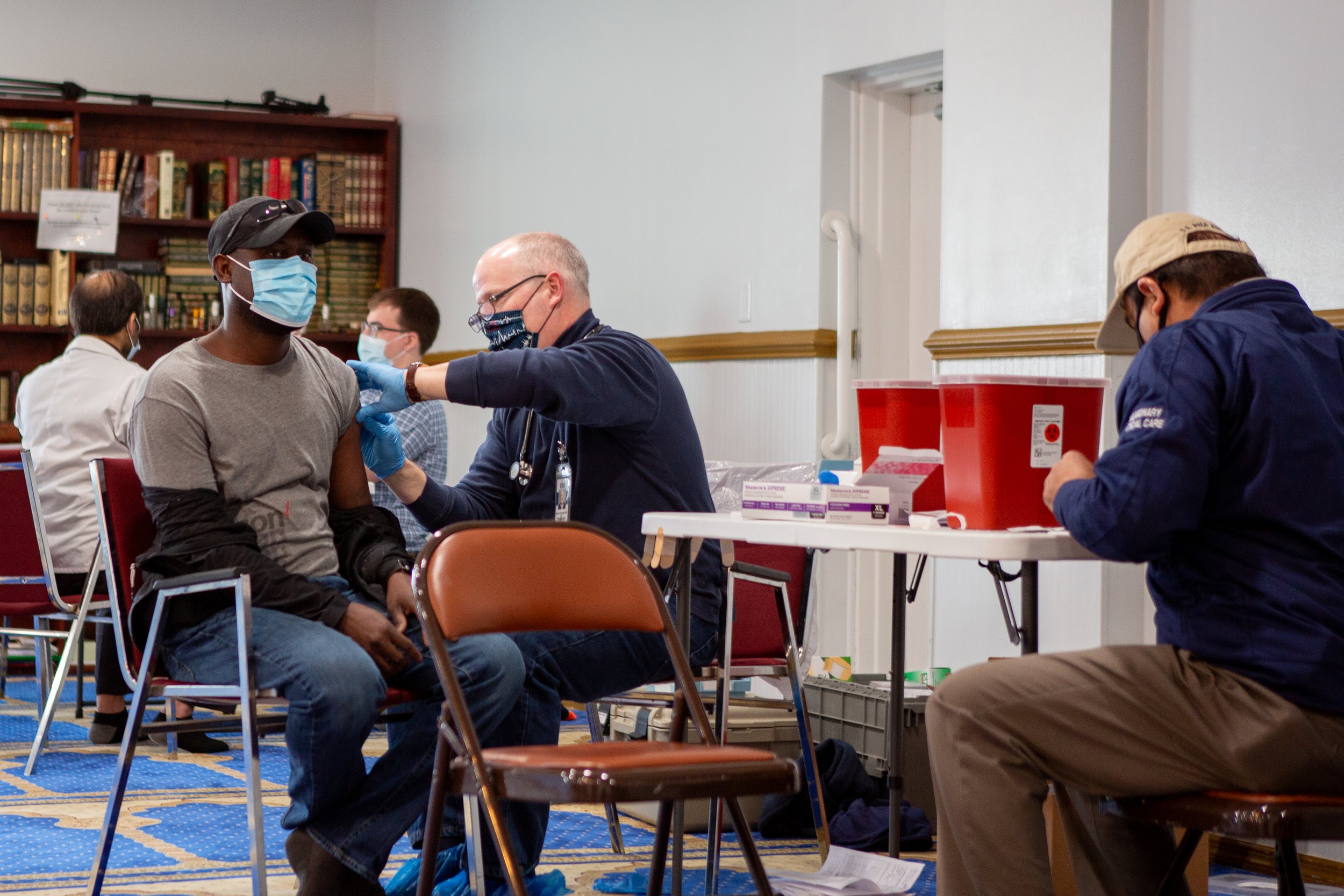
Across the country, Muslim communities are shaping civic life every day. They are teachers, doctors, artists, students, parents, chaplains, business owners, laborers, public servants, and neighbors. These stories belong in the public record because they help answer a larger question: who gets to be understood as part of the American story?
A fuller record of Muslim life allows us to see what has always been here. It shows communities in motion. It honors elders while making room for youth. It documents struggle without making struggle the only frame. It gives advocates stronger ground to stand on because it reminds the public who is being protected, who is being misrepresented, and who is already contributing to the civic and cultural life of this country.
A community is more than a headline. It is memory, labor, worship, care, conflict, imagination, and public presence. The work now is to document it with the depth it deserves.
AME exists to help build that record — one story, one portrait, one community, and one act of preservation at a time.
